
How to Spot a Replica Watch in Australia: A Practical Guide for Buyers
Luxury watches have a strong following in Australia, from classic Swiss brands to modern high-end sports models. With that popularity comes a steady flow of replica watches, some obvious, others surprisingly convincing. Whether you’re buying from a private seller, a second-hand dealer, or even browsing online listings, knowing how to tell the difference can save you a lot of money and frustration. This guide focuses on practical, real-world signs that Australians should look out for before buying a watch.
Start with the Seller, Not the Watch
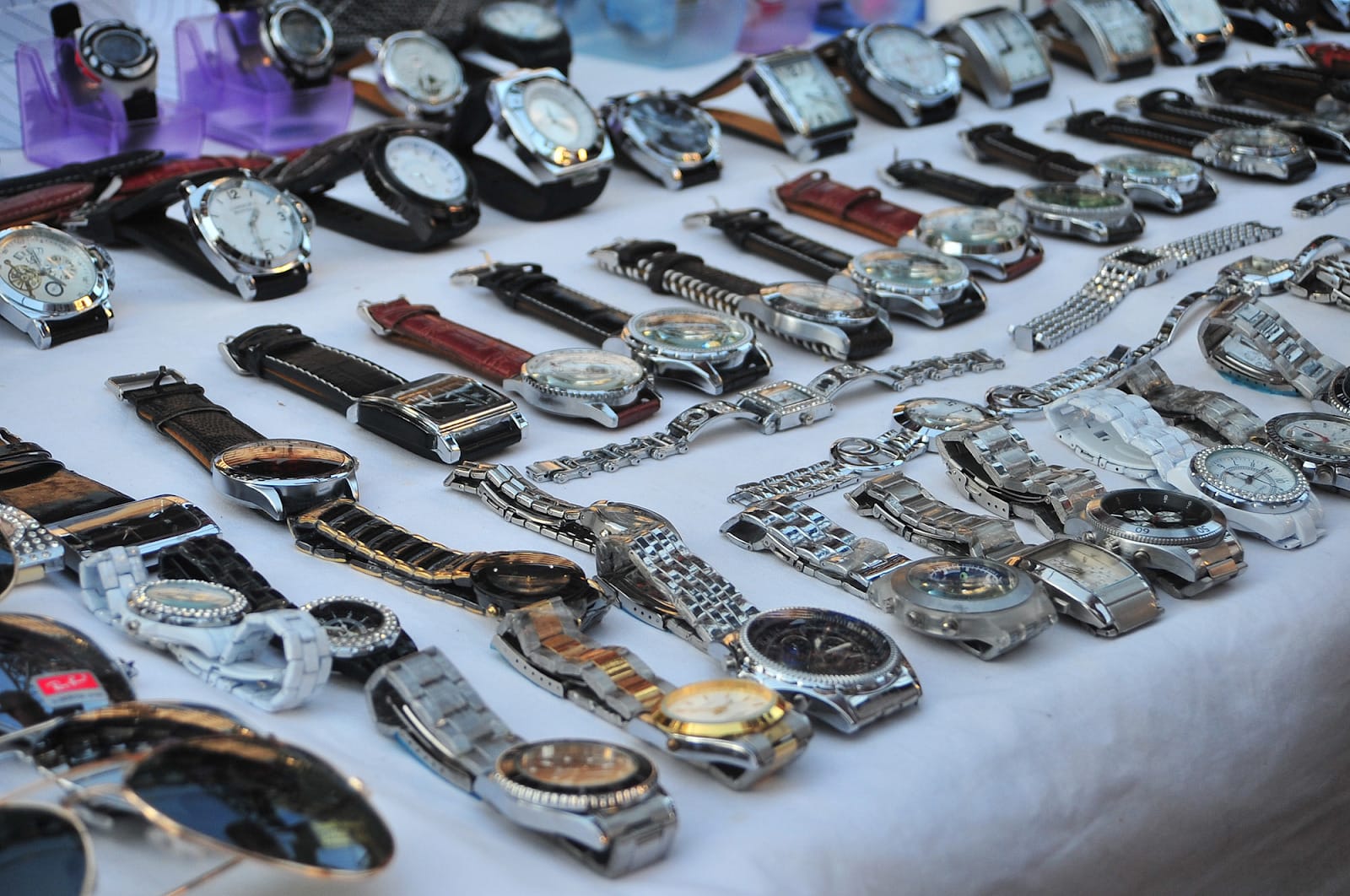
One of the biggest mistakes buyers make is focusing only on the watch itself. In Australia, reputable authorised dealers are clearly listed on brand websites and operate from physical stores with a verifiable history. If a seller avoids meeting in person, pushes for quick payment, or insists on cash-only deals without paperwork, that’s already a warning sign.
Be especially cautious with online marketplaces and social media groups. Phrases like “factory direct,” “same as genuine,” or “no papers, priced to sell” often point toward replicas. In Australia, a genuine luxury watch almost always comes with documentation, even on the pre-owned market.
Price That Feels “Too Good”
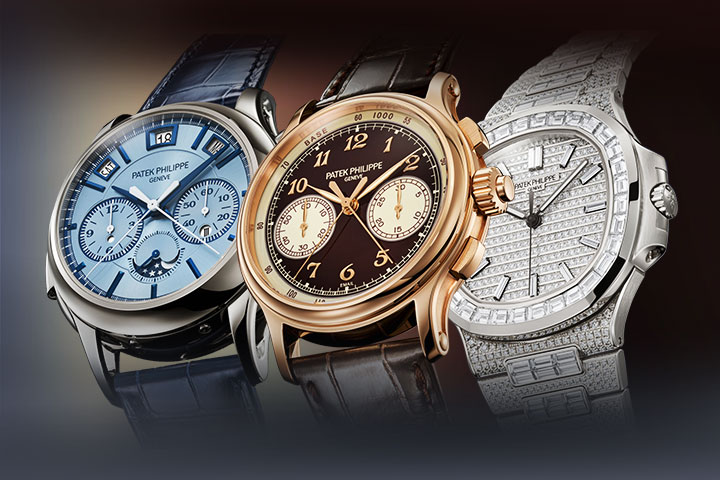
Australian luxury watch prices are fairly consistent due to import costs, GST, and strong resale demand. If a watch is being offered far below the usual market value, there is usually a reason. While bargains do exist, a near-new Rolex, Omega, or Patek Philippe selling for a fraction of its typical Australian price should raise immediate suspicion.
Many replica sellers rely on the idea that buyers feel they are getting lucky. In reality, genuine sellers rarely slash prices without a clear explanation.
Check the Weight and Feel
When you finally hold the watch, the first thing to notice is how it feels on the wrist. Genuine luxury watches are made from solid materials and feel balanced. Replica watches australia often feel lighter or awkwardly weighted, even when they look convincing.
In Australia’s second-hand market, experienced buyers often bring a known genuine watch for comparison. Even small differences in weight, bracelet flexibility, or clasp tension can be revealing.
Examine the Dial Closely
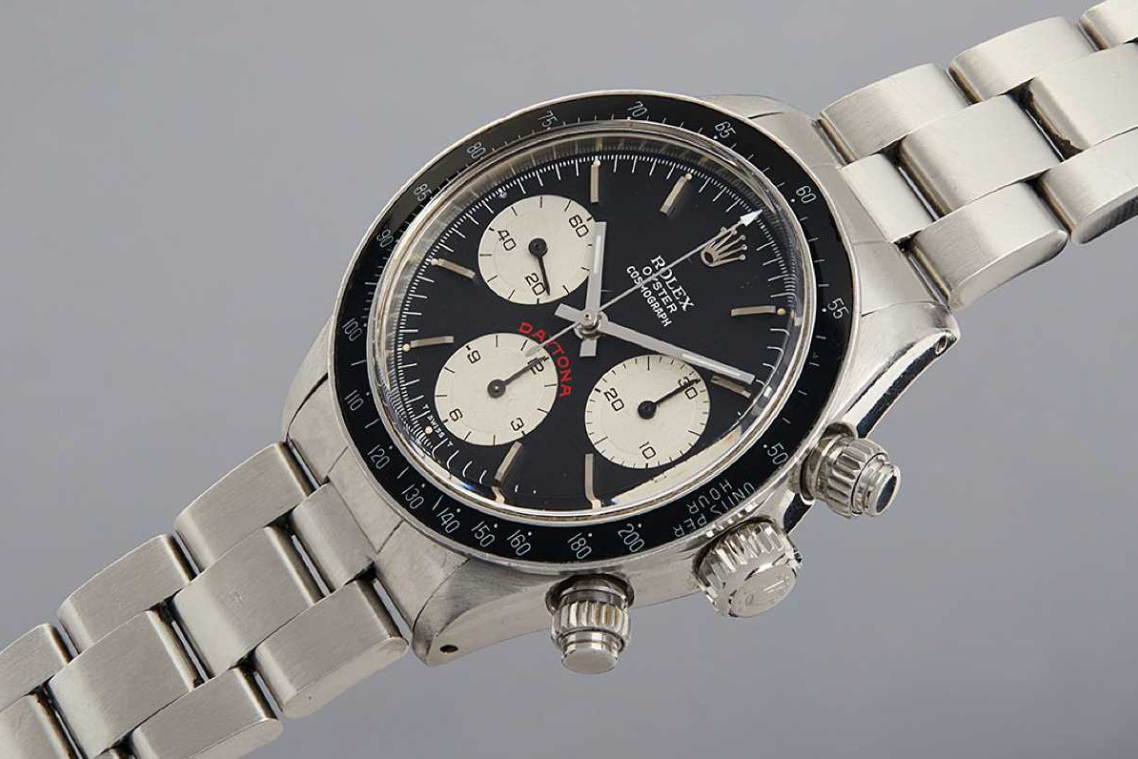
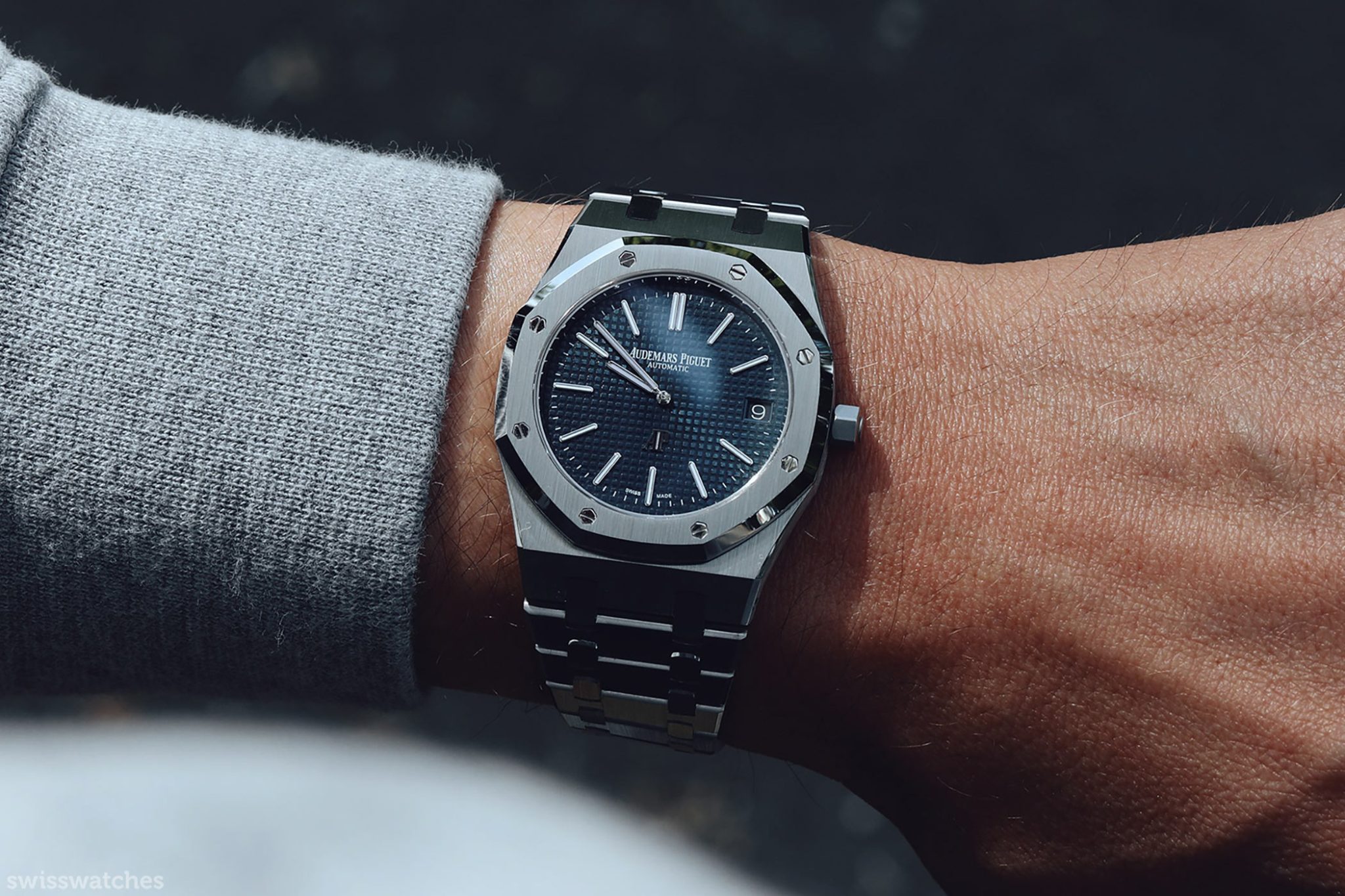
The dial is where many replicas give themselves away. On a genuine watch, text is sharp, evenly spaced, and perfectly aligned. Letters should not bleed, tilt, or vary in thickness. Use natural light if possible, not just indoor lighting.
Date windows are another giveaway. On real watches, the date sits cleanly in the centre of the window. Replicas often place it slightly too high, too low, or too deep. The magnification on date lenses is also frequently incorrect.
Movement and Sound Matter
If the seller allows it, listen to the watch. Many high-end watches use automatic movements that produce a smooth, quiet sweep. Cheap replicas often tick loudly or feel rough when winding or setting the time.
In Australia, professional watchmakers and authorised service centres can inspect a movement without fully disassembling it. Paying for a quick inspection before purchase can be far cheaper than discovering later that the watch is not genuine.
Serial Numbers and Papers
Serial numbers should be cleanly engraved, not etched or printed. They must match the numbers on the warranty card or papers. Be aware that replicas sometimes copy real serial numbers, so matching numbers alone are not enough.
Check the quality of the box and paperwork as well. In Australia, original packaging is usually well preserved, especially given the strong collector culture. Poor-quality printing, misspellings, or flimsy cards are red flags.
Be Careful with “Australian Stock” Claims
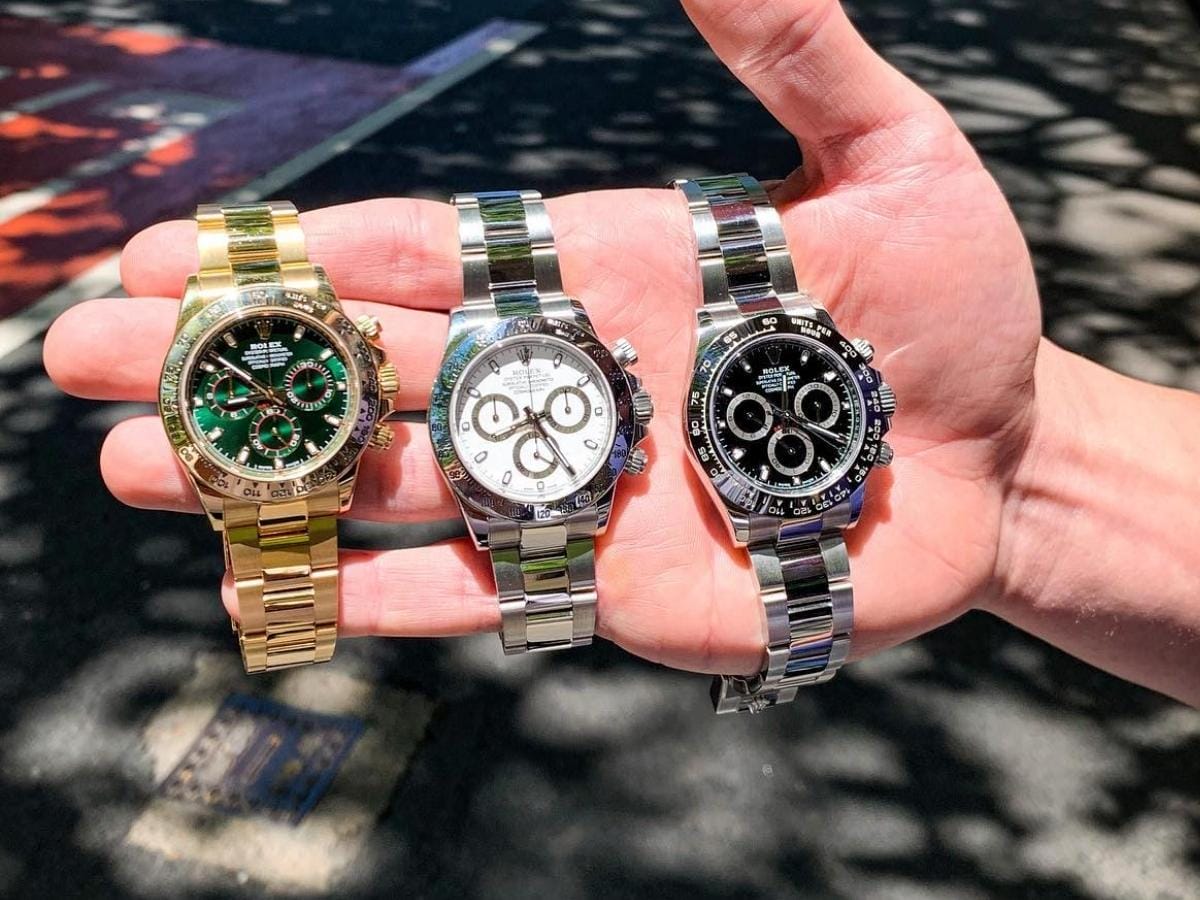
Some replica sellers claim their watches are “Australian stock” or “locally sourced” to sound more trustworthy. This wording means nothing on its own. What matters is whether the watch was sold through an authorised Australian dealer or can be verified through official channels.
If the seller refuses to let you have the watch checked locally or becomes defensive when asked about authenticity, it’s best to walk away.
Trust Your Instincts
Finally, don’t ignore how the deal feels. If the story keeps changing, details don’t line up, or the seller pressures you to decide quickly, those are often signs something isn’t right. In Australia, there will always be another watch and another opportunity.
Final Thoughts
Spotting a replica watch isn’t about memorising one single detail. It’s about looking at the full picture: the seller, the price, the paperwork, and the watch itself. Taking your time, asking the right questions, and using local professionals when needed will greatly reduce the risk. In the world of luxury watches, patience is often the best protection.
Latest posts
Oct 10, 2025